

Tips and advice on physical and mental preparation for trail running
As a sport that combines physical and mental challenges, trail running is gaining popularity. But when it comes to this demanding discipline, thorough preparation is crucial to making effective progress, both physically and mentally. How to organize your training so that you can give your all on the big day?
Why is it important to prepare for the trail?
Preparing for the trail is the same as preparing for a run or marathon, right?
Not exactly. Because even though these two sports are part of the running family, their technical differences require a unique training plan. Classic running usually takes place on flat terrain, without obstacles. Trail running combines intensity with a connection with nature – mountains, muddy tracks and all kinds of obstacles.
If you want to progress in trail running, you need to work on your strength, agility and endurance, as well as your mental strength and resistance to pain and fatigue. Appropriate training will help you improve your performance without giving up, without losing faith in yourself, and will also reduce the risk of injuries!
The duration of this preparation phase varies for each individual and depends on the complexity of the intended race, as well as its degree of difficulty.
Physical preparation for trail running
A trail runner’s fitness plan mostly includes endurance work both on and off the road, as well as muscle strengthening. You can combine running training with other sports activities to work with other muscle groups and avoid overloading. In terms of volume and intensity, training should gradually increase in intensity each week to prevent injury while allowing for efficient progress.
Endurance training for trail running
Long training sessionsTo develop good endurance, it is important to do a few long runs each week. During these long runs, maintain a moderate pace of 75% of your maximum heart rate (MHR): the goal is to hold time while maintaining a comfortable heart rate and breathing. Long runs simulate real trail race conditions so you can see your progress, learn self-management and work on your mental state.
If you are new to this sport, there is no need to go for runs that last more than two hours. Exercise gradually and set yourself achievable goals to avoid overstressing your joints.
Divide workouts into intervals
VMA (Maximum Aerobic Velocity) can hinder your performance if you haven’t trained for it before. To prevent this, the best way to increase it is to break up your workouts. And since trail running consists of varied terrain, it’s important to be able to pick up the pace. This strategy might look like this:
- Run at 90% of your maximum heart rate (MHR) to build speed. You can do 10 400 m runs with 1 min 30 rest time.
- Threshold sessions at 80-85% of your MHR to increase your endurance. These types of intervals are usually longer. For example, this includes two 20-minute runs – 10 minutes at a fast pace, then 10 minutes at a very fast pace, followed by 2 minutes of rest.
Strengthen your muscles
It would be a mistake to think that endurance training is the only way to progress in trail running. Every good training plan should include strength exercises to make your body more stable and durable. However, it is not necessary to include a whole series of exercises that have little to do with trail running. Choose targeted exercises such as squats and leg lunges. Don’t forget to include abdominal press and deep muscle exercises as well. You can, for example, choose a workout that consists of 4 or 5 exercises with 4 sets, a maximum of 10 repetitions each, with 1 min 30 sec rest in between.
Prepare for terrain changes
To avoid losing your balance on the big day, you need to acclimate your body to the different terrain you may encounter, whether it’s hills, technical trails, mud or rocks. Train on as many different types of ground as possible and practice running both downhill and uphill to develop muscle strength and coordination.
Mental preparation before trail running
Much more than a physical event, trail running is a mental challenge to overcome. And even if your body is prepared, your mind must be just as prepared. In each session, pay special attention to negative thoughts that may arise during the trail (“Why am I doing this? Should I give up? Will I succeed?”). To help end these thoughts, practice visualization reminding yourself of the reasons why you started this adventure.
Another point to keep in mind that can hinder your performance during competition is pain and fatigue. If you haven’t worked hard enough on your determination, it can get in the way. Therefore, it is better to be prepared for difficult moments so that it is easier to endure them on the day of the competition and they do not throw you off balance. To better manage stress, consider meditation or yoga exercises. These practices not only strengthen the ability to cultivate positive thoughts, but also help manage stress, creating the balance essential for optimal trail running performance.
What do you need to remember?
Trail runners, don’t forget that trail running is an intense discipline that requires a lot of preparation on all levels: endurance, muscle strengthening, and mental work as well.
For more peace of mind before the race, don’t forget to check your equipment during training, right down to your shoes. This will help you avoid unpleasant surprises and get used to the weight and equipment.
Finally, take care of your diet and overall lifestyle to see the progress you make. A healthy, varied diet that includes all the macronutrients needed for good health will be your ally for a successful run.
All you have to do now is get to the starting line and give it your all.
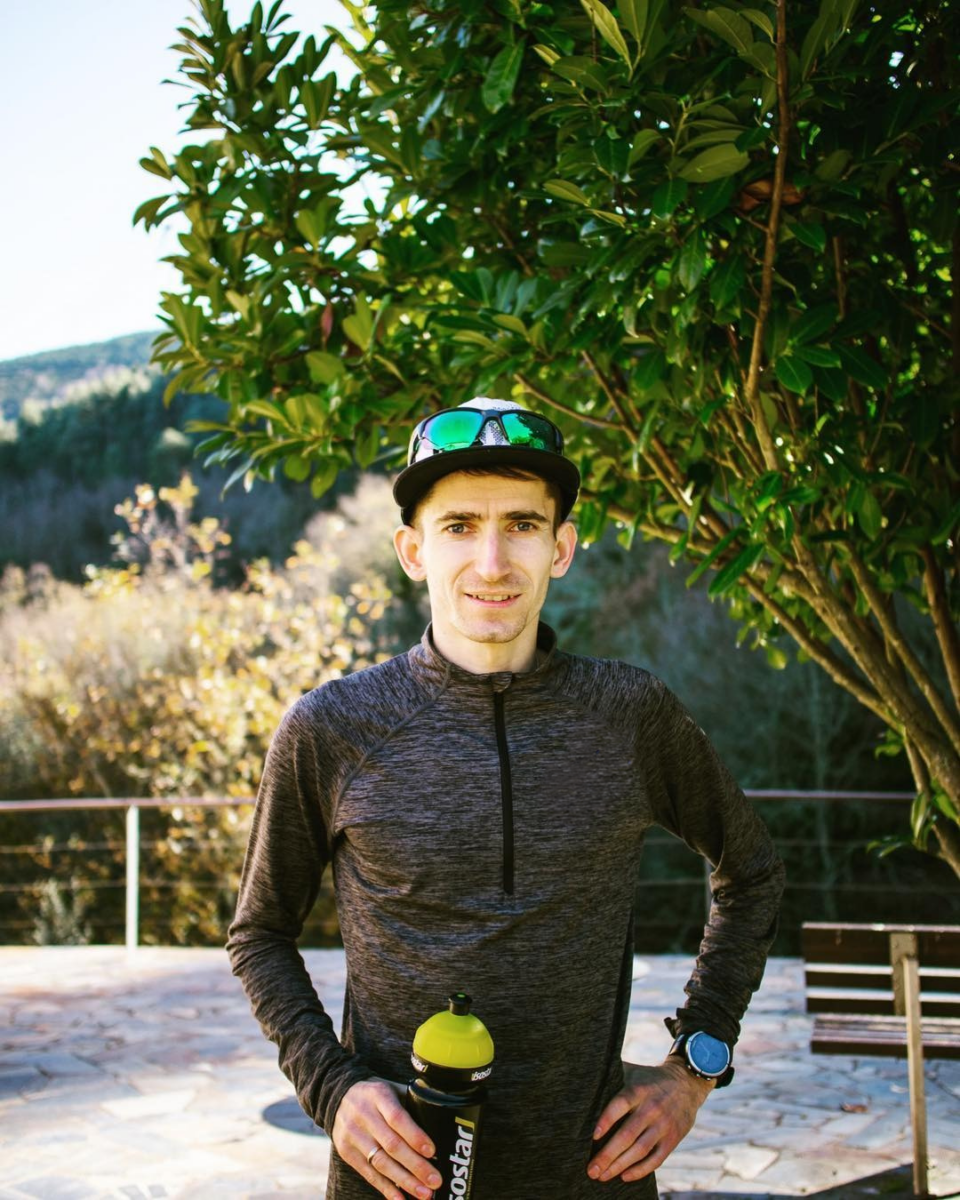
WHAT IS ISOSTAR RECOMMENDED BY JĀNIS KūMS
Jānis Kūms is an experienced trail runner and a long-term user of ISOSTAR sports nutrition, because in addition to physical and mental preparation, what you eat is also important!
“My five Isostar products for preparing for or during a trail run:
1) Hydrate & Perform or Endurance+ isotonic drink (before and during exercise);
2) Energy gels Actifood and Bio Energy (during exercise);
3) Fruit boost marmalade for energy (without them there is no place in longer competitions);
4) Different types of bars because they are convenient to take with you and suitable for different uses (before/workout and after workout);
5) After Sport Reload restorative protein/carbohydrate drink (after long or intense training)”


