
Common mistakes to avoid when building muscle
Most people find gaining muscle mass easier to achieve than losing muscle mass, however, it takes good habits and knowledge to avoid common mistakes that can hinder progress. Here are our tips for more effective results.
1. Nutrition: What nutritional mistakes should you avoid when trying to build muscle?
Overeating
Unlike weight loss, where controlled energy intake is part of the daily routine, bulking allows more freedom in total daily calories. Therefore, it is easier to get carried away and eat fast-food, convenience foods and sweets. Although these foods can be eaten in moderation, it is important not to overdo it.
It is important not to indulge in an unbalanced diet under the pretext of gaining weight. Maintaining a varied, balanced diet is essential to promote muscle growth while not contributing to excess fat gain.
In order to ensure a good diet, you must consume fats, carbohydrates and proteins as well as microelements (vitamins and minerals). And to increase your chances of achieving your goals, you can take supplements like creatine, BCAA.
Caloric deficit
In order to gain mass, you need to take in more calories than you consume. You shouldn’t limit yourself too much by going into a calorie deficit. If you don’t eat enough, you risk not getting enough energy to support muscle growth.
Too many calories
Conversely, you shouldn’t take too much either. Consuming too many calories can lead to unwanted fat gain. Finding a balance in terms of quantity is important to avoid deviating from your primary goal.
Inadequate protein intake
Eating neither too much nor too little and maintaining a balanced and varied diet is good, but to get the best results, it is important to have the amount of protein on your plate.
Protein, or more specifically amino acids, are the building blocks of muscle and must be adequately supplied. These macronutrients help build muscle fibers. Deficiency can limit their growth or even promote their decline.
You need to eat protein to promote muscle tissue synthesis! If you can’t reach your daily dose with food, consider nutritional supplements as an alternative solution.
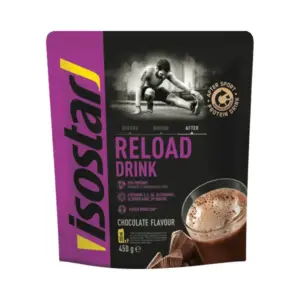
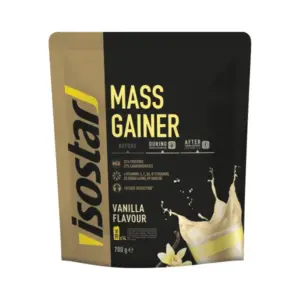
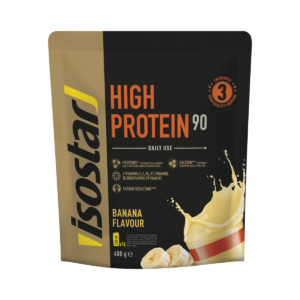
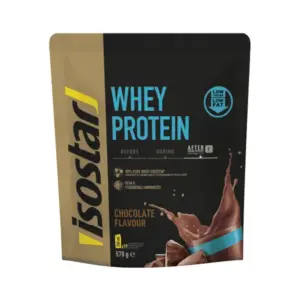
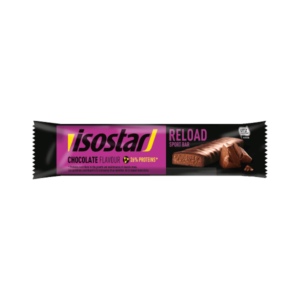
For example, one solution is protein powder, but when choosing the most suitable one, evaluate the composition of the product! ISOSTAR protein powders for preparing protein drinks contain high quality proteins with high biological value. To increase mass, choose Mass Gainer or High Protein series powder. Or choose one of the recovery drinks designed for use after exercise – Whey Protein with low sugar and fat content or your favorite Reload Recovery drink.
Regarding the optimal daily intake, ANSES believes that the population average consumption is 0.83 g of protein per kilogram of body weight per day. For experienced athletes and strength athletes, the recommended protein intake is 1.3 g to 1.5 g per kilogram of body weight per day, not exceeding 2.5 g/kg/day, and for a period not exceeding 6 months. Exceeding this will have no effect.
Don’t forget the water
“Drink at least 1.5 liters of water per day”. Who hasn’t heard this phrase? Hydration is essential for overall health and well-being, but it is also important for the process of building muscle mass.
Good hydration, often underestimated, can help improve performance, promote better recovery and nutrient absorption.
Drink regularly throughout the day, both in summer and winter.
2. Training program: mistakes to avoid if you want to increase muscle mass
Overtraining
Training 7 days a week, 3 hours a day? At this pace, you risk overtraining, which is harmful to muscle growth.
By not allowing your body to rest between workouts, you inhibit recovery. During each intense session, you put significant stress on your muscles. In response to this mechanical stress, biochemical reactions allow new muscle fibers to be formed, resulting in hypertrophy (increased muscle mass). By not observing the recovery period between each workout, you disrupt this process and hinder muscle growth.
At the same time, your sports training will almost certainly create microdamages in the muscles that cause muscle pain. This damage must be restored during a period of rest to limit injury and maximize performance. Therefore, plan rest days during the week to restore the muscles.
Listen to your body, take rest days and get enough hours of sleep. Your body needs it after intense exercise.
The desire to lift heavier and heavier weights
Just because you gain weight doesn’t mean you have to turn into the Hulk. Do not overestimate your abilities, as this can lead to injury.
It is best to favor good exercise technique and gradually increase the load, training volume, sets and repetitions. Don’t overdo it and take the time to learn how to do the moves correctly.
If necessary, consult a qualified trainer or gym trainer to make sure you are using the correct technique. Lifting heavy weights combined with poor technique is the easiest way to injure yourself.
Or just the opposite.. training with insufficient intensity
Although you shouldn’t put your body at risk by overexerting it, there should be some intensity in each of the moves. If you manage to do 12 or 15 repetitions of an exercise, it is because the intensity is lacking. You should not exceed 10 reps during the muscle building period.
The last few moves of every multi-joint exercise can even end in failure – the inability to continue without putting your body at risk. We remind you that a multi-joint exercise is a movement that involves several muscle groups and joints (for example, squats, bench press, etc.).
However, note that this does not mean that each exercise should be performed in quick succession, with no rest between sets. Allow time between each run for best performance.
Change program every week
Don’t change your training program too often. This can limit muscle growth because the body has not had enough time to adapt to the different stimuli and movements. Follow a certain sequence of exercises long enough to observe their effectiveness and your progress. Allow about 1 month for the same program.
On the other hand, don’t stick to the same type of exercise for 6 months or you’ll stagnate and overtrain. Change the exercises from time to time to engage different muscles and muscle groups.
3. Things to remember to build muscle with confidence
If you want to successfully increase muscle mass, it is important to combine a varied, balanced diet, designed specifically to achieve your goal, with a well-thought-out training program that combines intense training with optimized recovery periods.
These two aspects are important to achieve visible results.
These tips are for people without health problems. If you are in doubt about your general health, consult a healthcare professional.